Guadalest is not just a village to explore through your camera lens. Its position on the rock, the historic access to the walled enclosure and the valley landscape make it possible to combine heritage, hiking, gastronomy and viewpoints in a single day. If you are wondering what to do in Guadalest, the key is to organise the day by areas and adapt your route to the heat, the crowds and your physical condition.
At 2004 Finestrat we know the Marina Baixa well, as well as the journeys between the coast and the interior. That is why this guide focuses on things to do in Guadalest that can be chained together with logic: start with the historic centre, save the cooler hours for walking and leave a real break to discover the valley’s cuisine.
Things to do in Guadalest to make the most of a full day
A well-planned visit works better if you separate the activities that require more attention from the moments for strolling. First thing in the morning it is best to enter the historic core, before the crowds build up. Afterwards you can dedicate time to the castle and the museums, eat in the village or the valley and end the day with a short route or a scenic stop.
If you are still deciding which monuments and viewpoints to prioritise, take a look at our guide on what to see in Guadalest. There you will find the heritage context; in this article we go one step further and explain how to turn those places into an orderly and comfortable experience.
Before you start: parking, footwear and pace
The old town has slopes, stone paving and narrow passages. It is not a technically difficult visit, but it does require footwear with a stable sole. In the warmer months, bring water and sun protection and avoid concentrating your walks during the central hours of the day. If you are travelling with children, older people or anyone with reduced mobility, it is worth checking the specific access of each site beforehand.
Do not set an itinerary with timings that are too tight. Access, opening times and visiting conditions can change, especially on public holidays or busy days. Check the up-to-date information for the sites you want to visit before setting off.
Visiting Guadalest castle and understanding the historic site
Visiting Guadalest castle is one of the activities that best explains the defensive layout of the municipality. Access to the historic quarter goes through a passage opened in the rock, a solution shaped by the terrain that hints at the character of the whole. From there, the route gains height and offers perspectives over the valley and the reservoir.
The remains of San José castle occupy the upper part of the crag. Rather than looking for a conventional monumental visit, it is worth reading the terrain: the slope, the visual control over the valley and the difficulty of access help you understand why this site had strategic value. Walk without rushing and set aside time to observe the landscape from different points.
Combining heritage and museums without overloading the visit
Guadalest brings together several small museums. Choosing one or two according to your interests is usually more satisfying than trying to enter them all. The Orduña House provides context about local historical life, while other spaces specialise in unique collections. Check current opening times and prices before building your itinerary.
Hiking routes in Guadalest: how to choose your trail
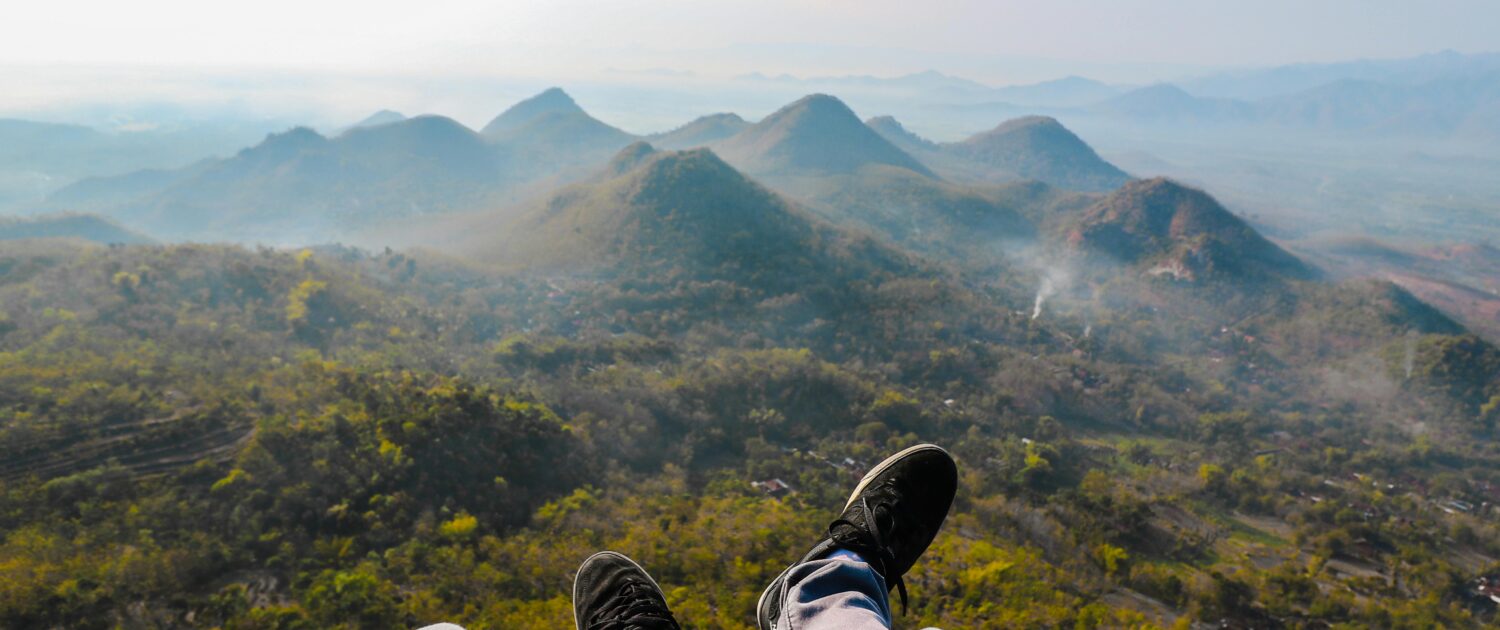
Hiking routes in Guadalest allow you to change your perspective of the village and observe the relationship between the reservoir, the hillsides and the mountain ranges of the Marina Baixa. Not all options have the same difficulty: a wide track around the reservoir area does not demand the same as an itinerary with more elevation gain or uneven ground.
Before setting out, assess four technical variables: distance, cumulative elevation gain, sun exposure and type of terrain. The estimated time alone is not enough. Two routes of similar length can demand very different efforts if one concentrates the climb or crosses stony ground.
A walk around the reservoir
The reservoir is one of the great visual landmarks of the valley. For a relaxed plan, look for an itinerary that runs along permitted tracks and paths, stay out of restricted areas and do not try to reach the water’s edge via improvised routes. After rainfall, the ground may have mud, run-off or loose stones.
Mountain routes and preparation
If you want to extend the day with a mountain route, check up-to-date trails and the weather forecast. In summer, getting up early is no small detail: it reduces heat exposure and leaves room for any unforeseen event. Carry enough water, battery on your phone and a downloaded route, as coverage can vary in enclosed areas.
You can compare this type of route with other hiking routes in Alicante to choose an option consistent with your experience and with the time of year.
Gastronomy of the Guadalest valley: what to try after the route
The gastronomy of the Guadalest valley reflects an inland cuisine linked to mountain produce, market gardens, pulses, meats and slow-cooked dishes. The dishes available change depending on the establishment and the season, so it is better to ask about the specials of the day than to look for a fixed list.
After walking, avoid ordering by quantity alone. A meal that is too heavy can make the final stretch of the route uncomfortable, especially if you still have to climb up to the historic centre. If you are travelling at the weekend or on a public holiday, booking a table reduces waiting times and helps you keep your itinerary on track.
Local products to take home
In shops and small businesses you can find traditional local products. Before buying, check the labelling, origin, storage and transport conditions, especially if you are going to leave your purchase in the car for several hours. The rule is simple: prioritise a well-identified product suited to the journey ahead of you.
Excursions from Benidorm to Guadalest: how to organise the trip
Excursions from Benidorm to Guadalest are a practical way to combine coast and interior during a stay in the Marina Baixa. A private vehicle offers flexibility to adjust your departure, stop at authorised viewpoints and return without depending on a fixed schedule. If you choose an organised excursion, check which tickets are included, how much free time it allows and where it makes its stops.
To avoid the busiest hours, set off early and do not leave parking until the last minute. In high season, traffic at the access points and the occupancy of the designated areas can disrupt your plan. Keep enough margin between activities and avoid parking outside permitted spaces.
If you want to fit this outing into a wider city stay, our guide on what to see in Benidorm in three days helps you spread out beach, city and excursions without repeating journeys.
On the way back, staying in beachfront apartments lets you end the day beside the Mediterranean without giving up having explored the interior of Alicante.
Recommended itinerary: what to do in Guadalest in one day
This order works well for a first visit and can be shortened depending on the time available:
- Arrive first thing and enter the historic centre before the busiest stretch of the day.
- Explore the historic site and visit the castle, paying attention to the rock, the slope and the views over the valley.
- Enter one or two museums chosen in advance, without turning the morning into a race between collections.
- Break for lunch and try the local gastronomy, booking ahead if you visit the area on a busy day.
- A stroll or a route adapted to the temperature and the group’s level. If it is hot or the ground is wet, reduce the distance.
- Return to the coast with time to spare, avoiding driving in a hurry after a day of walking.
Professional tips for a safe and comfortable visit
Guadalest packs a lot of interest into a small space. To enjoy it, it is worth applying simple planning criteria: check official opening times, book whenever possible, wear stable footwear and adapt the activity to the least trained member of the group. In the mountains, the most suitable route is not the longest, but the one you can complete with time to spare.
Do not rely solely on mobile coverage. Save the route and the essential information before setting off. Respect private property, signage, temporary closures and rules protecting the environment. If the weather worsens, swap the route for a cultural visit: the valley offers enough alternatives to avoid forcing the plan.
Frequently asked questions about what to do in Guadalest
How much time do you need to visit Guadalest?
To combine the historic centre, the castle, a museum and a lunch break, set aside at least half a day. If you want to add a hiking route, the most sensible thing is to dedicate the whole day and start early.
Can you visit Guadalest with children?
Yes, as long as you adapt the pace and the route. Bear in mind the slopes, the stone paving and the sun exposure. With young children, prioritise short journeys, frequent breaks and cultural activities that do not require long waits.
What is the best time to visit Guadalest castle?
The early part of the morning usually makes for a more comfortable visit, especially on hot or busy days. Always check the current opening times of the site before travelling.
Which hiking route in Guadalest is suitable for beginners?
Choose an itinerary along a clear track or path, with little elevation gain and a manageable distance. Check the up-to-date trail, the weather forecast and the state of the ground. If you have no experience, avoid exposed or poorly signposted routes.
Is it possible to combine Guadalest and Benidorm on the same day?
Yes. A balanced option is to visit Guadalest in the morning, have lunch in the valley and return to the coast in the afternoon. Leave room for traffic and parking, especially in high season.