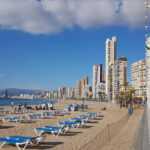
Living on the Spanish Mediterranean coast means enjoying one of the most privileged climates on the planet.Mediterranean climateIt offers ideal conditions that have made regions like Alicante, Finestrat and the Costa Blanca preferred destinations for both holidays and establishing permanent residence.
The Mediterranean climate is characterized by being atemperate climate subtypeIt exhibits a very specific distribution of temperatures and rainfall throughout the year. Its name comes from the Mediterranean Sea, where it reaches its greatest geographical extent, although it is also present in other areas of the world with similar characteristics.
Key characteristics of the Mediterranean climate
The Mediterranean climate exhibits a very defined pattern, making it one of the most pleasant to live in. Summers are warm and dry, with average temperatures ranging between 25°C and 30°C, while winters are mild and rainy, generally remaining above 10°C.
A distinctive feature is that temperatures remain stable for much of the year, avoiding the extremes found in other climate types. This thermal stability is especially valued by those seeking a comfortable place to live year-round.
Mediterranean rainfall pattern
The coastal rainfallIn the Mediterranean climate, they follow a very specific pattern that defines much of their identity:
- Summers are practically dry with less than 50 mm of rainfall per month
- Maximum rainfall in autumn and winter
- Annual totals between 300 and 800 mm depending on the area
- 70% of the rains concentrated between October and March
- Summer drought periods of 3-4 months
This rainfall pattern creates what is known assummer water stressa feature that has shaped both the vegetation and human activities in these regions.
Main subtypes of the Mediterranean climate
Within the Mediterranean climate we can distinguish several modalities that adapt to different geographical conditions and marine influence.
Typical Mediterranean
The typical Mediterranean climate is found mainly in theMediterranean coastsIt is characterized by hot summers with average temperatures above 22 °C. This is the climate found in cities like Valencia, Barcelona, or Palma de Mallorca.
Mediterranean with oceanic influence
In areas like Galicia or northern Portugal, the oceanic influence moderates temperatures, keeping them below 22°C even in summer. This subtype has higher relative humidity and more stable temperatures.
Dry or semi-desert Mediterranean
The southeastern part of the Iberian Peninsula, including provinces such as Alicante and Murcia, exhibits this subtype withvery low rainfall(200-400 mm annually) and summer temperatures that can exceed 35 °C.
Mediterranean vegetation adapted to the climate
The Mediterranean vegetationIt has developed extraordinary adaptations to survive in this environment of hot, dry summers. These plants have evolved unique strategies that allow them to make the most of winter moisture and withstand summer water stress.
Characteristics of Mediterranean flora
Mediterranean forests and scrublands feature evergreen species with tough, resistant leaves. Key adaptations include:
- Small, leathery leaves to reduce evapotranspiration
- Deep root systems to capture moisture from the subsoil
- Thick crusts that protect from extreme heat
- Aromatic substances that act as a natural repellent
Representative species
Among the most characteristic species we find theholm oak, he cork oak, he pino carrascoand various shrubs such as theromero, the seriesand thethymeIn the most arid areas, species such as thepalm heartand theesparto.
Climate seasons in Mediterranean Spain
The seasons in SpainMediterranean climates have very distinct characteristics that define the rhythm of life in these regions. Each season brings its own unique climatic features.
The Mediterranean springIt is characterized by mild temperatures and moderate rainfall, making it one of the most pleasant times of the year.summerIt dominates with its dryness and heat, while theautumnIt brings the first significant rains after the dry season.winterAlthough mild in temperatures, it concentrates most of the annual rainfall.
Global geographic distribution
The Mediterranean climate is not limited to the Mediterranean basin. It is found in five main regions of the planet:
- European, African and Asian Mediterranean basin
- California and Baja California (United States and Mexico)
- Central Chile between Valparaíso and Concepción
- Southwest Australia around Perth
- Cape Region in South Africa
This distribution is due to specific geographical factors, mainly the location between temperate water masses and subtropical high-pressure zones.
Advantages of the Mediterranean climate for living
Mediterranean climatic conditions offer multiple advantages for establishing residence or spending long periods of time.The thermal stability for most of the yearIt allows you to enjoy outdoor activities without the extremes of other climates. As well as enjoying some holidays on the Costa Blancafor most of the year.
The mild wintersThey avoid the harshness of intense cold, while the summers, although warm, maintain a low relative humidity that makes the high temperatures more bearable. This combination is especially attractive for people seeking a healthy and comfortable climate year-round.
The Spanish Mediterranean region, with places like Finestrat, Benidorm or the Costa Blanca, represents one of the most perfect examples of how the Mediterranean climate creates the ideal conditions for an excellent quality of life, combining scenic beauty with a privileged climate that allows you to enjoy the advantages of living by the sea during all seasons.