Some towns stay etched in your memory, and Altea is one of them. Its whitewashed houses, cobbled streets and the blue domes of the Church of Our Lady of Consolation create one of the most recognizable scenes on the Costa Blanca. If you are planning a getaway and wondering what to see in Altea, here is a practical guide to organize your visit without missing its key spots.
The aim is to help you understand what to visit in Altea, how to explore the old town, what to do by the sea, where to find the best viewpoints and how to combine the trip with other nearby plans from Finestrat, Benidorm or La Cala.
Why Altea Captivates Its Visitors
Altea enjoys a privileged location between Benidorm and Calpe, in the province of Alicante. Its setting, overlooking the Mediterranean from the slope of a hill and backed by the Sierra de Bèrnia, gives it the dual character that makes it so special: a white mountain village and a seaside destination at the same time.
What makes Altea special is not only its scenery. It is the atmosphere you feel as you walk through its streets. For decades, artists, painters and writers have found a very distinctive Mediterranean light here, and that bohemian spirit is still alive in the craft workshops, galleries and small shops of the historic centre.
If you are staying in Finestrat, Benidorm or La Cala, Altea is only a few minutes away by car. That is why it works very well as a half-day or full-day plan within a route through the Marina Baixa. For a comfortable getaway, you can compare the available accommodation on the Costa Blanca and choose a base close to several towns and beaches.
What to See in Altea’s Old Town Step by Step
The old town of Altea, known in Valencian as El Fornet, is the heart of the visit. It is a maze of cobbled streets, stairways, white façades, flowerpots and small squares where the walk invites you to slow down. If you are looking for what to see in Altea’s old town, this route will help you organize your visit without missing the essentials.
The Seafront Promenade and Plaça del Convent
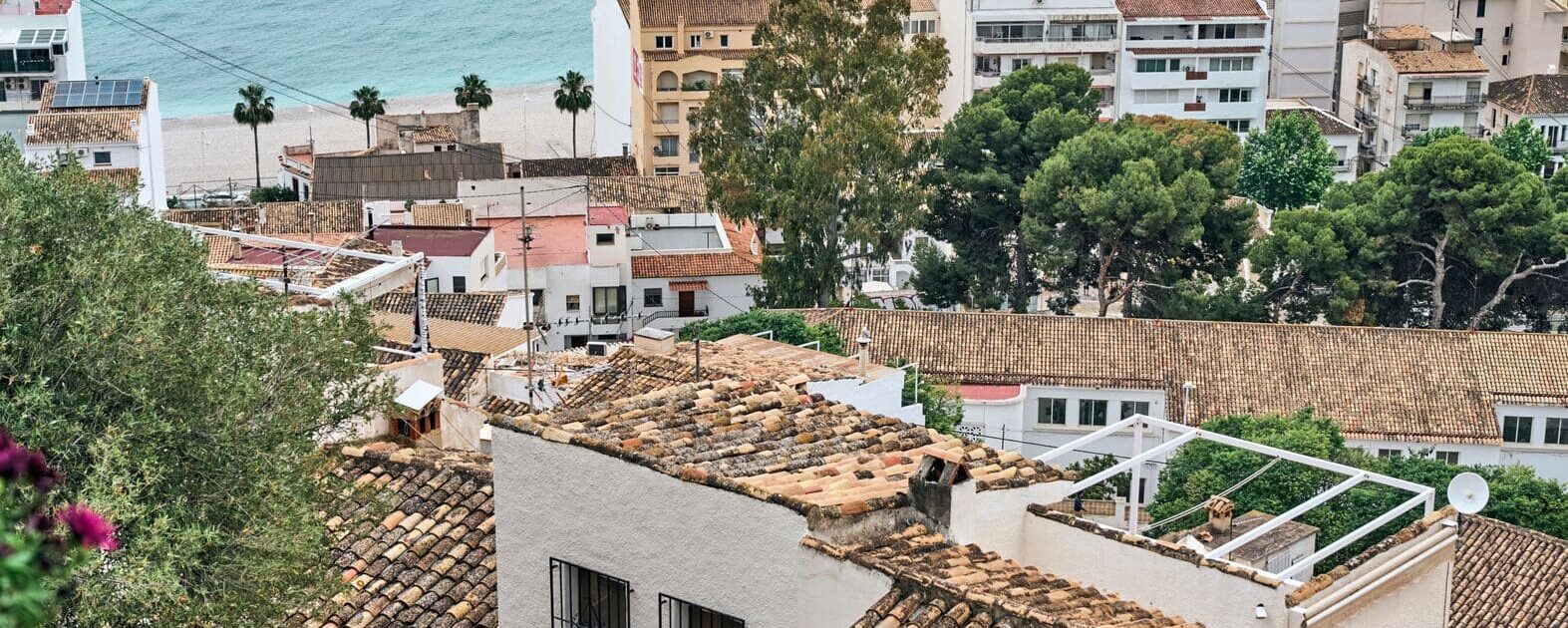
The most recommended route begins at sea level. The Altea seafront promenade is a pleasant boulevard with landscaped areas, open-air sculptures and restaurants overlooking the Mediterranean. Walking here before heading up to the village helps you understand the close relationship Altea has with the sea.
From the promenade, the natural route towards the old town passes through Plaça del Convent, a quiet square with olive trees and cypresses where many visitors stop before beginning the climb. It is a good place to get your bearings, rest for a few minutes and start enjoying the village’s unhurried pace.
Costera del Mestre de la Música and the Bellaguarda Windmill
There are several possible routes up towards the church dome, but the most photogenic is the Costera del Mestre de la Música. The white walls, hanging flowerpots and the perspective that opens up with each step make this stretch one of the most photographed places in Altea.
On the way up, it is worth stopping at the Bellaguarda Windmill, an old windmill now integrated into a small park. The walkway around it offers pleasant views and a welcome pause before continuing towards the upper part of the old town.
Portal Nou and Altea’s Walled Enclosure
When you reach the upper area, you will find Portal Nou, one of the old gateways into Altea’s walled enclosure, declared a Site of Cultural Interest. Crossing this arch is one of the most beautiful experiences on the route, as it marks the entrance to the town’s most recognizable historic core.
From here, the route continues towards Mirador Blanco, dedicated to the Altea historian Francesc Martínez i Martínez. The views from this small square are the perfect reward after the climb and a highly recommended stop if you want to photograph the contrast between the white houses and the sea.
Church of Our Lady of Consolation: Altea’s Great Landmark
If there is one element that defines Altea’s silhouette, it is the set of blue ceramic domes of the parish Church of Our Lady of Consolation. They can be seen from the seafront promenade, the beaches and even the road, and they explain why Altea is popularly nicknamed the Dome of the Mediterranean.
The church stands at the top of the hill, presiding over Plaza de la Iglesia, the liveliest point in the old town. Around it you will find restaurants with terraces, craft shops and very photogenic streets. Calle San Miguel, which starts from the square, is another must-see walk thanks to its white façades, shops and workshops.
Altea Viewpoints to Enjoy the Mediterranean
Altea is also a town of viewpoints. Its sloping layout means that almost every corner offers a different perspective, but there are two especially recommended spots if you want to take in a complete view of the town and the bay.
The Mirador de los Cronistas de España, located next to the Church of Our Lady of Consolation, offers a wide panoramic view of Altea’s harbour, the coastline and, on clear days, the Serra Gelada Natural Park. The combination of the old town’s white façades and the blue Mediterranean sums up the identity of the village beautifully.
The second major viewpoint is the Glorieta del Maño, also known as the Baluarte de la Casa de la Señoría. It faces north and offers views of Morro de Toix and the Peñón de Ifach. It is a little more sheltered and is perfect for ending your walk through the old town at a relaxed pace.
What to Do in Altea Beyond the Historic Village
The old town is the main highlight, but Altea offers other plans that round out the visit very well. If you are looking for what to do in Altea besides strolling through El Fornet, these stops will help you extend your route.
Altea Beaches We Recommend Visiting
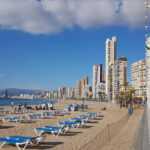
La Roda beach is the most accessible and one of the most convenient thanks to its services. With more than 1,400 metres in length and a Blue Flag, it can be a good option for combining a swim, a walk and lunch by the sea before or after heading up to the old town.
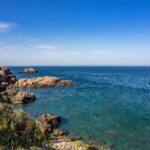
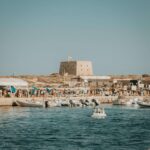
L’Olla beach, a little farther from the centre, has a quieter and more natural character. Its waters are appreciated for snorkelling and, just offshore, there are two small islets. If you visit Altea on 10 August, this area becomes the setting for Castell de l’Olla, one of the best-known fireworks displays on the coast.
The Russian Orthodox Church in Altea
One of the most surprising places to see in Altea is located in the Altea Hills area. The Orthodox Church of Saint Michael the Archangel was the first Russian Orthodox church built in Spain. Its woodwork, golden domes and style, so different from the surrounding landscape, make it a curious visit if you have a car and a little more time.
Active Plans Near Altea
In addition to walking through the old town, you can round off the day with kayaking, routes around the bay, sunset walks or activities near the coast. If you want to combine your trip with organized plans, take a look at the experiences near Altea to add an activity to your stay.
Restaurants in Altea Beach and Old Town: Where to Eat
The gastronomic offering in Altea complements the visit very well. On the seafront promenade you will find restaurants specializing in rice dishes, fish and seafood, with terraces facing the Mediterranean and a very pleasant atmosphere almost all year round.
Restaurants on Altea beach are a good choice if you want to eat before going up to the old town or after a morning stroll. The fishing tradition is reflected in products such as cuttlefish, red prawns, small rockfish and fresh fish from the fish market.
In Plaza de la Iglesia and the streets of the old town there are also charming bars and restaurants, perfect for having a drink at sunset or enjoying a relaxed dinner. If you can, visit Altea in the shoulder season, especially May, June or September: there are fewer queues, the light is softer and the experience can be enjoyed more calmly.
Nearby Excursions from Altea
Altea’s geographical position makes it easy to combine your visit with other destinations in the province of Alicante. If you are planning several days in the area, you can link this plan with what to see in Cala de Finestrat, another very convenient stop if you are staying near the beach.
The Algar Springs, in Callosa d’en Sarrià, are a very popular excursion thanks to their pools and waterfalls of crystal-clear water. Guadalest, perched on the rock, can be combined on the same day if you leave early and want to see inland landscapes and mountains.
Benidorm is only a few minutes away by car and offers a complete contrast to Altea: more urban, more vertical and with a very lively beach scene. Villajoyosa is also worth a stop for its colourful houses and seafront promenade; if you want to extend the route, you can consult the guide to what to see in Villajoyosa.
To organize a more complete getaway, you can also use this guide to holidays in Alicante and the surrounding area as a reference, especially if you want to combine whitewashed villages, beaches, coves and inland excursions over several days.
How to Get to Altea and When to Visit
Altea is located in the Marina Baixa region, around 60 kilometres north of Alicante Airport. The most convenient way to get there is by car, following the AP-7 or the N-332 along the coast. There is parking near Palau Altea, from where you can access the old town without facing such a demanding climb.
The Costa Blanca climate makes it possible to visit Altea practically all year round. Spring and autumn offer the most pleasant balance: mild temperatures, good light and fewer visitors than in the height of summer. If you travel in July or August, it is best to get up early and head up to the old town before the heat becomes more intense.
Altea is not just a beautiful destination: it is a complete Mediterranean experience. Between the old town, the viewpoints, the beaches, the restaurants and the nearby excursions, it is one of those plans that works just as well for a short getaway as for a longer holiday in Alicante.